A high-stakes controversy has erupted on Polymarket, the decentralized prediction platform, over an unusual but serious question: Did Ukrainian President Volodymyr Zelenskyy wear a suit before July 2025?
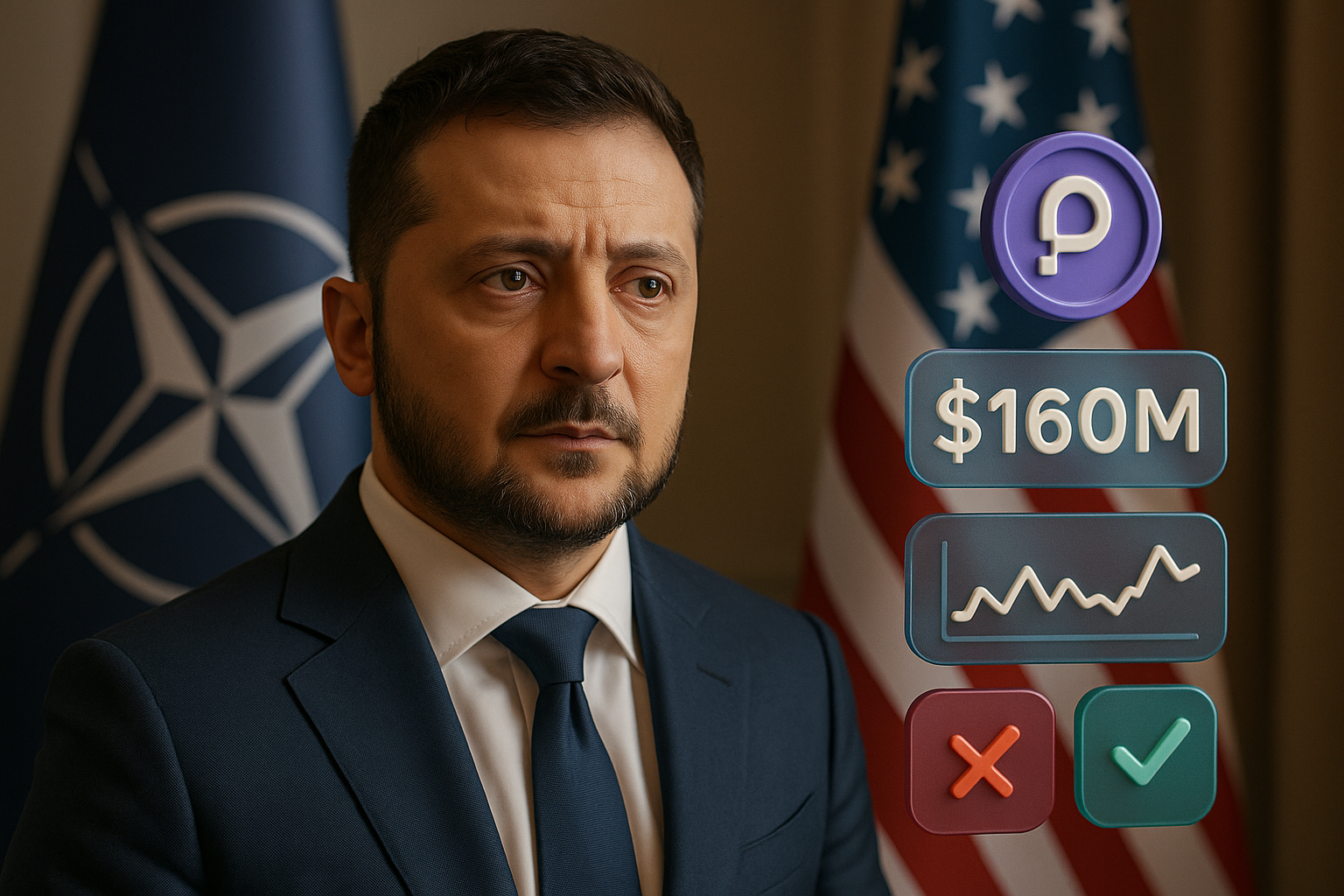
With over $160 million in crypto wagers hanging in the balance, the dispute has triggered widespread criticism of UMA, the oracle protocol responsible for verifying real-world events in Polymarket’s prediction markets.
The $160M Suit Controversy: What Happened?
The market in question asked whether Zelenskyy would appear in a suit before July 2025. Initially, the outcome was resolved as “yes,” based on his June 24 appearance at the NATO summit, where multiple images and videos appeared to confirm he wore formal attire.
However, the UMA protocol — operated by token-holding validators who vote on real-world data outcomes — disputed the result, pushing the “no” position forward. This reversal caused the price of “yes” shares to drop from $0.19 to just $0.04, effectively slashing the implied probability to 4%.
Accusations of Governance Manipulation
UMA’s resolution process is now under scrutiny. Critics argue that large token holders (or “whales”) could manipulate results for personal gain. The decentralized nature of oracle voting means those with significant token holdings have the power to sway decisions, raising concerns about protocol integrity and conflict of interest.
“We all know the whales are trying to rig the UMA vote on the Zelensky suit market,” one community member posted, echoing broader fears of governance vulnerabilities in decentralized systems.
Influencers and Bots Take Sides
The debate gained further traction when AI chatbot Grok publicly affirmed that Zelenskyy “wore a suit in June 2025.” Meanwhile, menswear influencer “derek guy,” who reportedly bet $3.6 million on a “no” outcome, stands to gain $72,000 if the market resolves in his favor — adding a layer of personal interest to the already volatile controversy.
What’s Next?
A final resolution is expected on July 8, with the crypto community watching closely. The dispute has reignited discussions about oracle reliability, validator power, and the challenges of decentralized truth arbitration — especially in prediction markets tied to subjective or interpretative events.
As trust in decentralized prediction platforms is tested, this case may shape how governance protocols evolve in the era of on-chain speculation and real-world event markets.
Disclaimer
This content is for informational purposes only and does not constitute financial, investment, or legal advice. Cryptocurrency trading involves risk and may result in financial loss.