
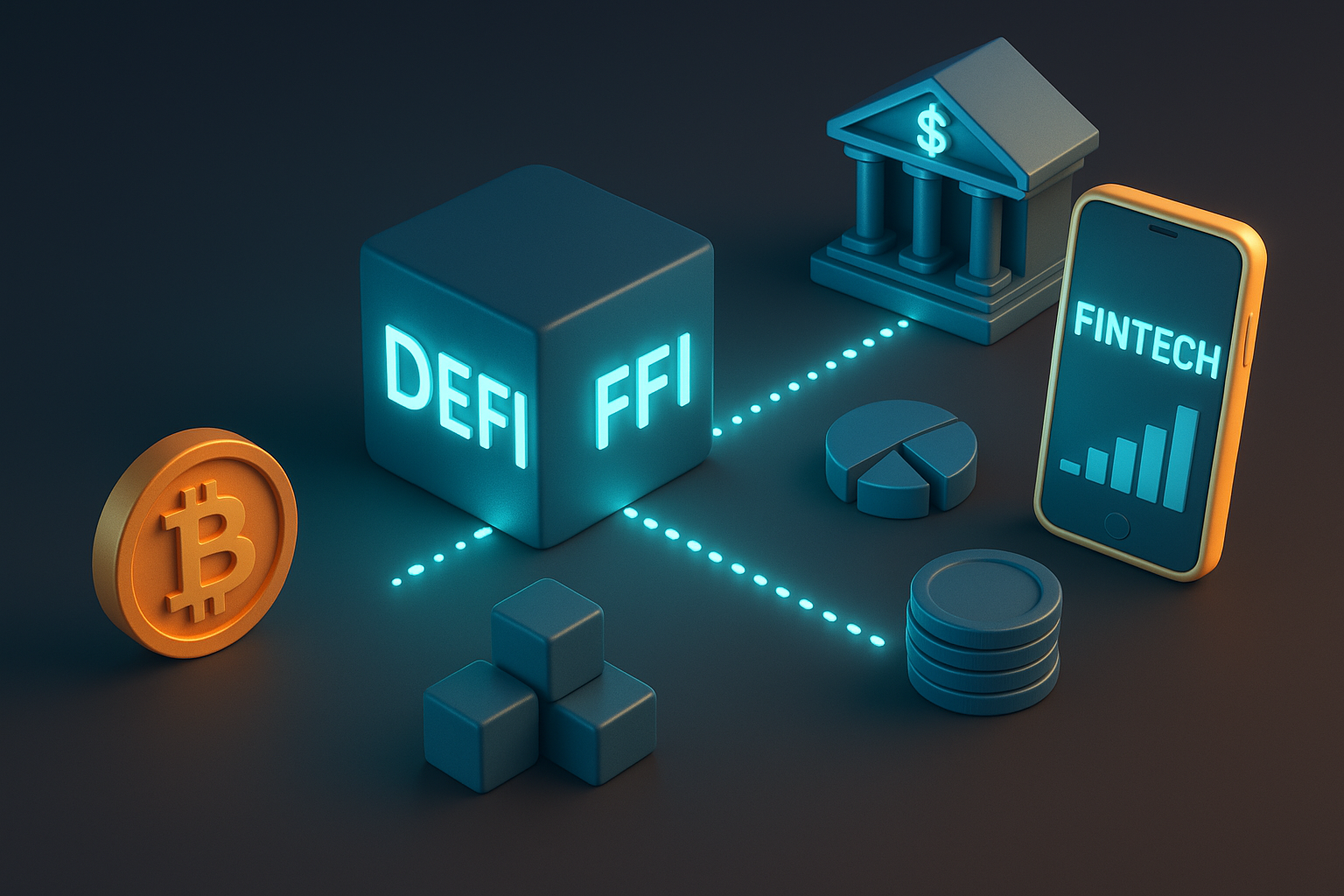
Decentralized Finance Is Becoming a Strategic Priority for Fintech Companies
A growing number of fintech companies are preparing to integrate decentralized finance (DeFi) lending protocols into their platforms, driven by the need for more efficient, low-cost, and permissionless financial products. Over the next three years, this transition could reshape the global lending landscape.
According to industry experts, DeFi lending protocols offer a competitive edge by removing intermediaries and lowering operational costs. Instead of relying on centralized banks or APIs, fintechs can directly access liquidity through smart contracts, enabling them to deliver faster and more flexible lending services to their users.
“If fintechs ignore DeFi now, they risk falling behind,” said a leading DeFi protocol co-founder, highlighting the urgency behind the shift.
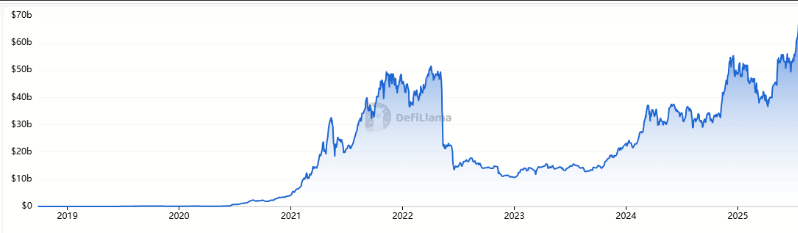
DeFi Lending Surges to Record $66.7 Billion TVL
As of July 2025, DeFi lending has reached a total value locked (TVL) of $66.7 billion, a figure not seen since the previous crypto bull cycle. This resurgence follows the collapse of centralized lending firms in 2022, which prompted both developers and users to reconsider the reliability of permissioned financial systems.
The DeFi ecosystem now hosts multiple large-scale lending protocols across major blockchains. AAVE leads with over $31.7 billion in TVL, followed by rising competitors like Morpho, which manages more than $5.5 billion. These platforms offer stable yields and global access, positioning themselves as attractive alternatives for fintech platforms aiming to serve underbanked markets.
Fintech Firms See Long-Term Value in Permissionless Lending
What makes DeFi so compelling to fintechs is its permissionless nature. Unlike traditional finance, there are no gatekeepers or intermediaries that can restrict access. This is especially crucial for companies operating in emerging markets, where regulatory uncertainty and licensing issues can stifle innovation.
“In DeFi, you’re not at the mercy of banks or API providers. You trust the code, not the institution,” experts say.
Fintechs are also drawn by the ability to offer higher-yielding products, which can outperform traditional savings and lending options. With the growing interest in regulated yield-bearing DeFi products, institutional adoption is no longer a question of “if,” but “when.”
Conclusion: DeFi Lending Set to Transform Fintech by 2028
As the DeFi sector matures, more fintech companies will likely abandon centralized infrastructure in favor of blockchain-powered lending protocols. With billions in capital already flowing into DeFi, and regulations catching up, the industry is on track for a major transformation within the next three years.
Disclaimer
This content is for informational purposes only and does not constitute financial, investment, or legal advice. Cryptocurrency trading involves risk and may result in financial loss.