Network to undergo an orderly shutdown in 2026 after pioneering zero-knowledge rollup technology
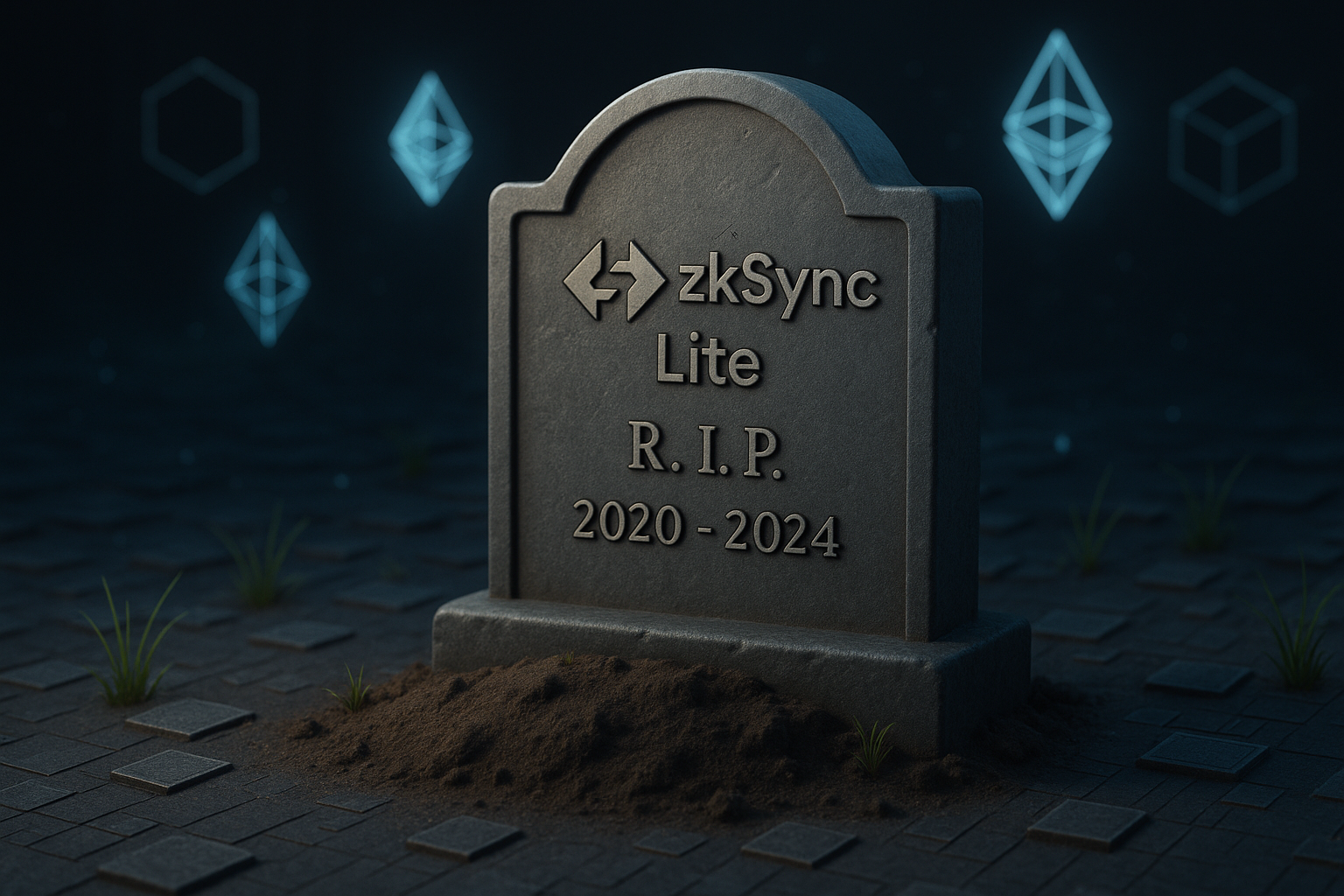
ZKsync Lite, the earliest zero-knowledge rollup deployed on Ethereum, will be phased out in 2026. The team behind the project announced that the network has fulfilled its original mission and will enter a structured retirement process without affecting other ZKsync products.
In a statement posted on X, the team explained that ZKsync Lite—also known as ZKsync 1.0—served as a crucial milestone in demonstrating the viability of production-grade ZK systems. “This is a planned, orderly sunset for a system that has served its purpose,” the team wrote, emphasizing that the rollout validated foundational ideas that paved the way for next-generation solutions.
Launched in 2020 by Matter Labs, ZKsync Lite was engineered for fast token transfers and the minting of NFTs. The design did not support smart contracts, which eventually limited adoption as more advanced scaling technologies emerged. It was the first rollup to use validity proofs that instantly verified transactions before batching them to Ethereum’s mainnet for final settlement.
Development on ZKsync Lite was discontinued in early 2023 following the launch of ZKsync Era, a zkEVM network that supports smart contracts and now anchors the ecosystem’s growth. ZKsync confirmed that users do not need to take immediate action; the network remains operational, and funds and withdrawals to Layer 1 remain secure.
Current data shows roughly $50 million bridged to ZKsync Lite, though activity has dwindled to just over 330 daily operations. In contrast, ZKsync Era reports more than 22,000 transactions over the same period and over $36 million in value locked in decentralized finance.

Further updates to the broader ZKsync ecosystem may follow, including potential changes to its governance token model to prioritize greater economic utility.
Disclaimer
This content is for informational purposes only and does not constitute financial, investment, or legal advice. Cryptocurrency trading involves risk and may result in financial loss.