Introduction: A New Frontier in Crypto Worldedom
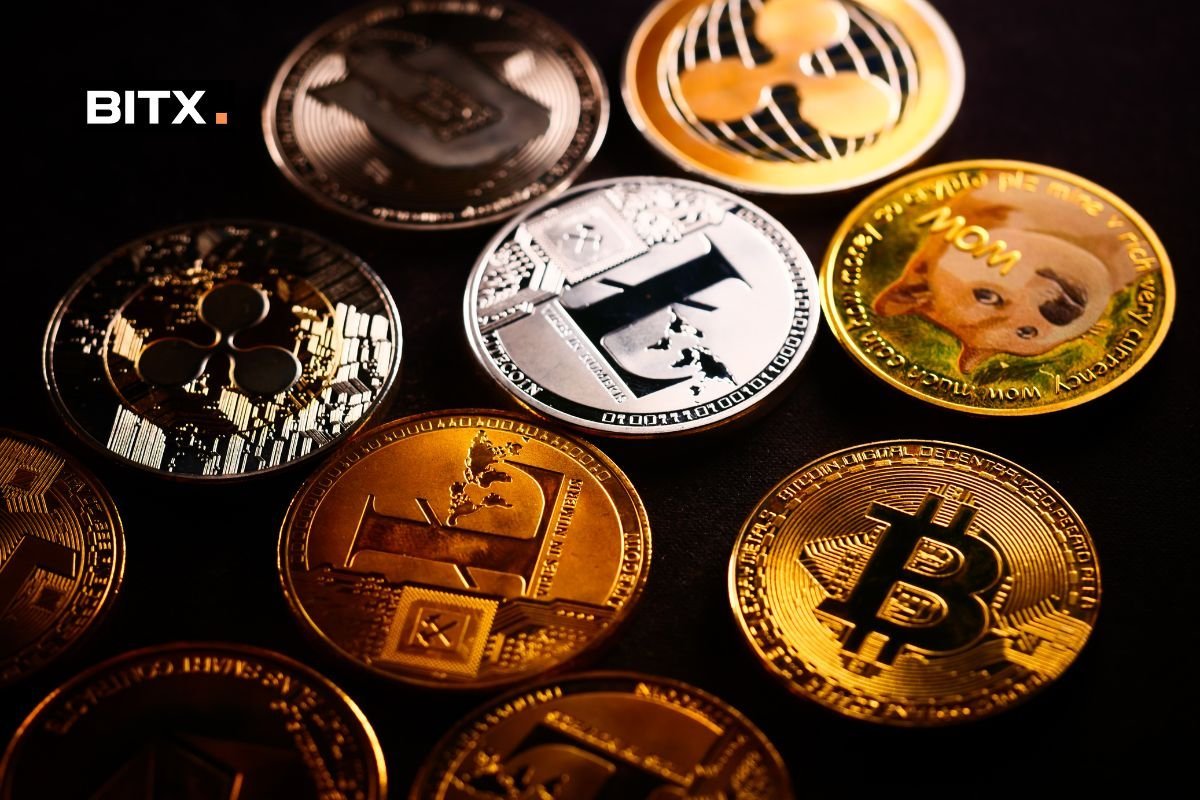
In the dynamic world of cryptocurrencies, where Bitcoin continues to maintain its throne, a diverse array of alternative digital currencies, known as altcoins, have emerged, capturing the attention and investment of eager enthusiasts. Understanding the rise of altcoins requires delving into the intricacies of innovation, competition, and the relentless pursuit of blockchain technology’s potential.
What are Altcoins?
Simply put, altcoins are alternative cryptocurrencies that have been launched since Bitcoin’s inception in 2009. They can be categorized into several subtypes based on their functionality, backing, and technology.
The Diverse Landscape of Altcoins
-
Bitcoin Alternatives (Forks): These are altcoins that evolved from Bitcoin, such as Bitcoin Cash (BCH), and Bitcoin SV (BSV). They are created through a process known as a hard fork, which splits the original blockchain into two separate blockchains with the same transaction history.
-
Ethereum-based Altcoins: Ethereum (ETH) has emerged as a popular foundation for altcoins due to its support for smart contracts. Hundreds of projects have been built on Ethereum, creating a system teeming with Altcoins, such as Chainlink (LINK), Maker (MKR), and Uniswap (UNI).
-
Layer-1 protocols: These are blockchains that aim to address Bitcoin’s scalability issues through technological innovations like Proof of Stake, Sharding, and Improved Smart Contracts. Examples include Cardano (ADA), Solana (SOL), and Polkadot (DOT).
-
Decentralized Finance (DeFi) tokens: DeFi tokens represent the native cryptocurrency of DeFi platforms on the blockchain. Utilizing smart contracts, DeFi allows for decentralized lending, borrowing, trading, and savings without the need for a centralized authority.
- Privacy Coins: Privacy coins seek to maintain user’s financial privacy, often in contrast to Bitcoin and Ethereum. Examples include Monero (XMR), Zcash (ZEC), and Dash (DASH).
The Coming Altcoin Season: What to Expect
An "altcoin season" refers to a period when altcoins outperform Bitcoin by a substantial margin. This string of events is usually preceded by a "crypto winter," where crypto prices across the board experience a sharp decline. The reasoning behind this trend is that investors become more willing to take risks amidst a depreciating Bitcoin and turn their attention to smaller, potentially undervalued altcoins.
While the coming altcoin season holds enticing opportunities for investors, it is crucial to conduct thorough research and invest with caution. The vast and quickly evolving landscape of altcoins introduces the potential for scams and fraudulently marketed projects.
Investing in Altcoins: A Strategic Approach
Investing in altcoins can be a profitable endeavor, but it requires a well-informed and strategic perspective. Strategies can vary depending on individual risk tolerance, investment goals, and market conditions.
-
Diversification: Spreading investments across multiple altcoins can help mitigate risks associated with any single project’s failure.
-
Fundamental Analysis: Assembling a deep understanding of the team, technology, partnerships, and use cases of a project can indicate its long-term potential.
-
Technical Analysis: Tracking price trends, volume, and market sentiment can help predict future price movements and identify buying and selling opportunities.
- Risk Management: Setting a stop-loss or take-profit order can help limit potential losses and lock in profits.
Infrastructure and Regulation: Fueling the Altcoin Boom
Infrastructure developments in the crypto arena are driving the explosion of altcoins and the overall crypto market.
-
Centralized Exchanges: Exchanges like Binance, Coinbase, and Kraken are key players in the altcoin domain, providing markets for trading and introducing new projects to the masses.
-
Decentralized Exchanges: DEXs like Uniswap, SushiSwap, and PancakeSwap represent a more decentralized and user-controlled means of trading cryptocurrencies.
- Regulation: Governments worldwide are looking to regulate cryptocurrencies, which could impact the altcoin market. Regulatory developments may offer clarity for investors and Foster institutional adoption, fueling the cryptocurrency market’s growth.
Conclusion: Navigating the Altcoin Crucible
The meteoric rise of altcoins presents both opportunities and challenges for investors. As blockchain technology continues to evolve and governments grapple with regulation, we can expect the altcoin landscape to transform and expand further. With strategic investments, rigorous research, and thoughtful risk management, you, too, could hack your way through the altcoin crucible and emerge on the other side as a seasoned crypto aficionado.