Introduction
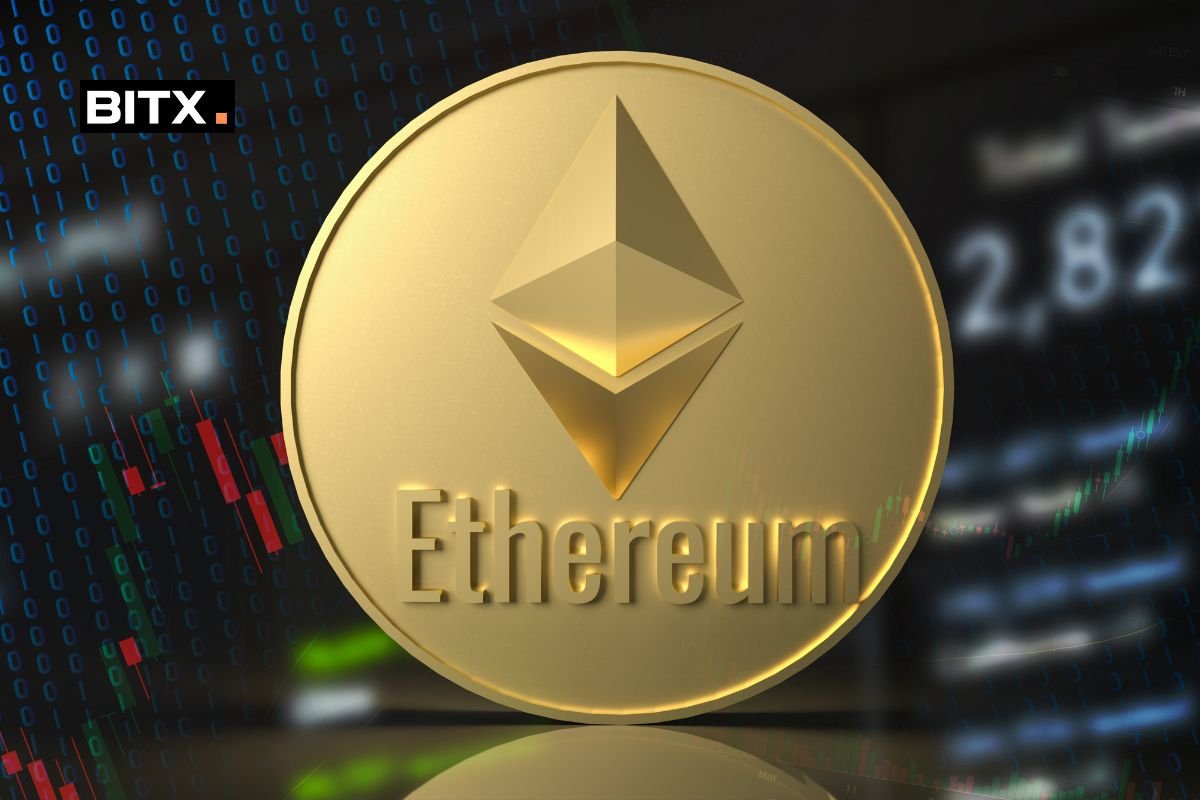
In the ever-evolving world of cryptocurrencies, Ethereum has carved out a significant niche for itself, standing firmly behind Bitcoin as the second-largest digital currency by market capitalization. Ethereum’s rise has been marked by its versatility, smart contract functionality, and growing developer community. This comprehensive guide aims to provide an understanding of the basics of Ethereum trading for beginners, demystifying its complexities and equipping you with essential knowledge to navigate the world of Ethereum trading.
Understanding Ethereum
Ethereum was proposed in 2013 by Vitalik Buterin, a programmer, and bitcoin magazine co-founder. The official launch of the network took place in July 2015. Unlike Bitcoin, which mainly focuses on peer-to-peer electronic cash transactions, Ethereum offers a blockchain platform that enables developers to build and deploy decentralized applications (dApps), smart contracts, and non-fungible tokens (NFTs).
How Does Ethereum Work?
At its core, Ethereum functions through a global, open-source network of computers, or nodes, connected via the internet. Each node on the network executes and verifies transactions, maintaining a copy of the Ethereum blockchain. Transactions on the Ethereum network are facilitated through Ether (ETH), the native cryptocurrency of the Ethereum blockchain, used for running applications, executing smart contracts, and paying miners for their computational work.
What is Ethereum Trading?
Ethereum trading involves exchanging Ethereum tokens for other cryptocurrencies, fiat currencies, or other digital or physical assets. This can be done through various methods, such as buying Ethereum on a cryptocurrency exchange or trading it directly with another person on a peer-to-peer platform. The primary goal of Ethereum trading is to profit from fluctuations in its value.
Key Terms to Know in Ethereum Trading
-
Smart Contracts: Self-executing contracts with the terms of the agreement directly written into code. They automatically execute transactions when predefined conditions are met.
-
Non-Fungible Tokens (NFTs): Unique digital assets verified through blockchain technology, often used for digital art, collectibles, and real estate.
-
Gas Fees: Fees paid to the Ethereum network to execute transactions and smart contracts. Gas fees reflect the computational work required by the network to process these transactions.
- Ethereum 2.0: An upcoming update to the Ethereum network that aims to improve its scalability, security, and sustainability. Ethereum 2.0 is set to transition Ethereum from a proof-of-work (PoW) consensus mechanism to a proof-of-stake (PoS) model.
Getting Started with Ethereum Trading
-
Choose a Wallet: First, secure a digital wallet to store your Ethereum tokens. Popular Ethereum wallets include MetaMask, MyEtherWallet, and hardware wallets like Ledger and Trezor.
-
Buy Ethereum: Purchase Ethereum from a reputable cryptocurrency exchange like Coinbase, Binance, or Kraken. Be sure to research each exchange’s safety and fees.
-
Educate Yourself: Stay updated on Ethereum news, trends, and developments. Join Ethereum communities and forums to learn from fellow traders.
- Analyze and Trade: Use technical analysis, fundamental analysis, or a combination of both to make informed trading decisions. Set clear entry and exit points to manage risk.
Conclusion
Ethereum trading presents exciting opportunities for those seeking to invest in the future of decentralized technology. With the right resources and a strong understanding of Ethereum’s inner workings, traders can capitalize on the endless potential of this trailblazing cryptocurrency. As with any investment, it’s essential to approach Ethereum trading with caution, informed decision-making, and a commitment to continuous learning.