Introduction
In the rapidly expanding world of blockchain technology, two revolutionary concepts have emerged as game-changers: Bitcoin and Smart Contracts. This article aims to delve into the connection between these two pillars of the blockchain universe and chart a roadmap for the future of automated agreements.
Understanding Bitcoin
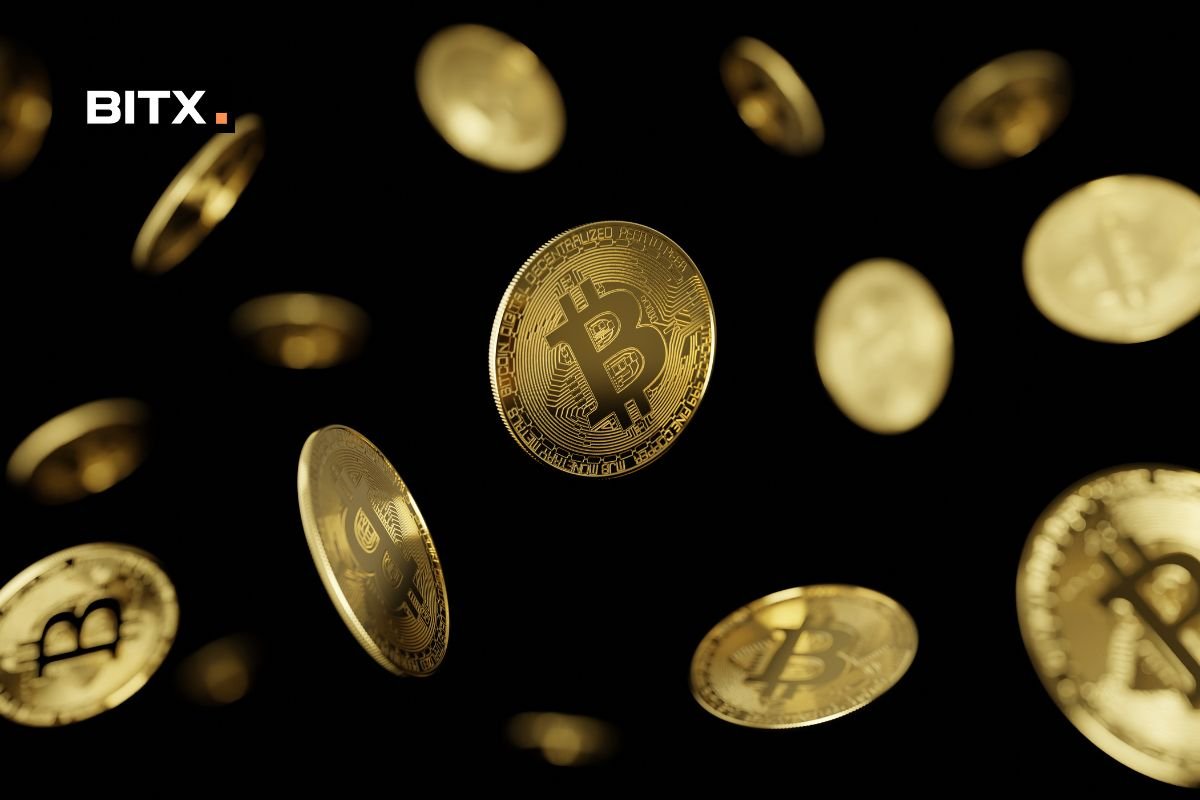
Bitcoin, the pioneer cryptocurrency, was introduced by an anonymous entity known as Satoshi Nakamoto in 2008. It was envisioned as a decentralized digital currency, free from the control of banks and governments. Bitcoin operates on a distributed public ledger called the blockchain, where transactions are recorded in blocks and verified by a network of computers, known as nodes.
The Birth of Smart Contracts
In 1994, Nick Szabo, a computer scientist, conceptualized the idea of smart contracts. These are self-executing contracts with the terms of the agreement between buyer and seller being directly written into lines of code. The blockchain technology that underpins Bitcoin provided the perfect platform for their implementation.
The Merger of Bitcoin and Smart Contracts
The intertwining of Bitcoin and smart contracts gave birth to an entirely new paradigm: blockchain-based automated agreements. The smart contracts are deployed on the Bitcoin blockchain through a protocol called the ‘Bitcoin Script’. This protocol allows for a limited form of Turing-incomplete programming, enabling the creation of simple scripts for transactions.
The Power of Automated Agreements
Automated agreements offer numerous benefits. They eliminate the need for intermediaries, reduce the risk of fraud, and significantly increase the speed and efficiency of transactions. By eliminating the need for manual intervention, these agreements also reduce the potential for human error.
The Roadmap Ahead
The future of blockchain-based automated agreements is exciting and promising. However, to fully realize its potential, several challenges must be addressed. One significant challenge is the limited functionality provided by Bitcoin Script. To overcome this, new scripting languages, such as Solidity (used in Ethereum) and Rust, are being developed.
Another challenge is scalability. To handle the increasing volume of transactions, solutions like the Lightning Network for Bitcoin and sharding in Ethereum are being explored.
Conclusion
The union of Bitcoin and smart contracts has opened up a world of possibilities for the automation of agreements. As we continue to refine these technologies, we can expect to see a future where transactions are not only secure, fast, and efficient but also self-executing. This roadmap to automated agreements promises to revolutionize industries, from finance and real estate to supply chain management and beyond. The journey ahead is promising; the world of blockchain-based automated agreements awaits.