

New All-Time High in Mining Difficulty
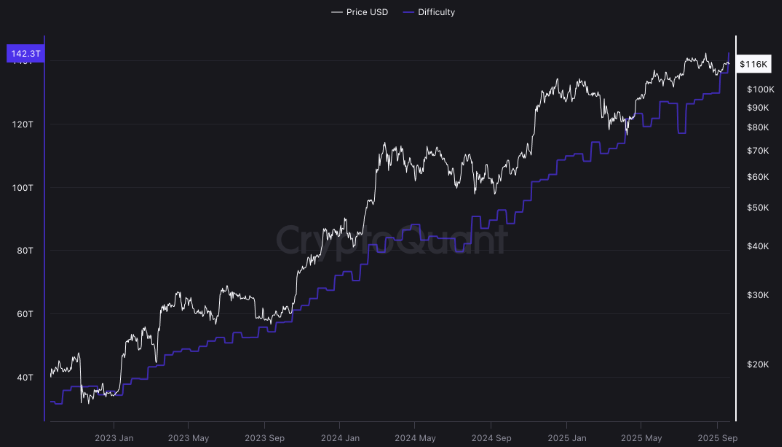
The Bitcoin mining difficulty — a key metric that measures how hard it is to add new blocks to the blockchain — surged to a fresh all-time high of 142.3 trillion on Friday. This increase follows successive records in August and September, reflecting an influx of powerful new mining machines entering the network.
Alongside difficulty, Bitcoin’s hashrate climbed above 1.1 trillion hashes per second, according to CryptoQuant. The higher the hashrate, the greater the security of the Bitcoin network. But the rising difficulty has also intensified competition, raising questions about whether Bitcoin mining is becoming increasingly centralized.
Smaller Miners Struggle to Compete
The constant need for energy-intensive, high-performance computing is making it nearly impossible for small-scale miners to keep up. Even some publicly traded corporations are struggling as larger players — including governments and energy infrastructure providers — leverage unique advantages such as cheap or free electricity.
“Difficulty reaching new highs reflects the health of the Bitcoin network,” said one industry analyst, “but it also exposes the widening gap between small operators and entities with near-unlimited resources.”
Governments and Energy Companies Enter the Mining Race
Several governments are integrating Bitcoin mining into national strategies. Bhutan, Pakistan, and El Salvador have already launched or announced mining initiatives. In May, Pakistan revealed plans to allocate 2,000 megawatts of surplus energy to Bitcoin mining, signaling a regulatory shift in favor of digital assets.
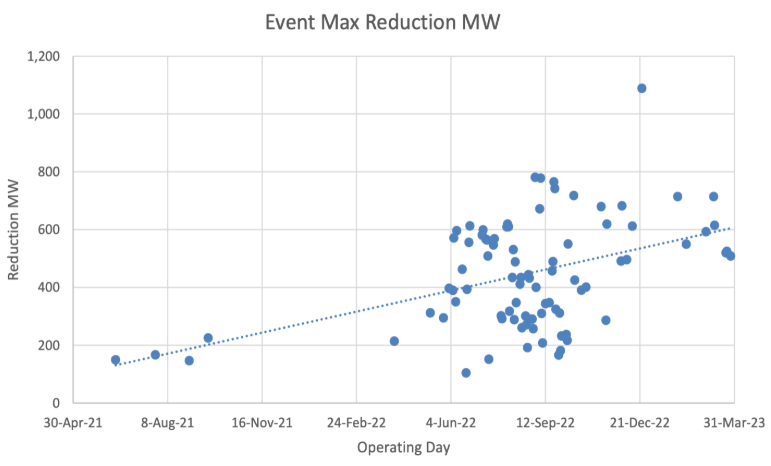
In the United States, energy providers in Texas are embedding mining operations into their infrastructure. By working with the Energy Reliability Council of Texas (ERCOT), these companies balance grid demand by switching mining rigs on or off depending on electricity usage.
This model allows providers to profit from excess energy during off-peak times and reduce consumption when demand is high — giving them a major cost advantage over traditional mining firms that must constantly pay for electricity.
Rising Centralization Fears
While the entry of governments and utilities boosts Bitcoin’s resilience, it also raises concerns. If control over mining power becomes concentrated in the hands of a few entities, the decentralized nature of Bitcoin could be undermined.
Experts warn that the growing centralization trend could reshape the mining sector. “The more difficulty rises, the more mining becomes a game for giants with cheap energy access,” noted another market observer.
The latest surge in Bitcoin mining difficulty underscores the strength of the network but also highlights a growing divide. Independent miners are being squeezed out, while governments and energy providers carve out dominant positions.
Disclaimer
This content is for informational purposes only and does not constitute financial, investment, or legal advice. Cryptocurrency trading involves risk and may result in financial loss.