
How Digital Assets Are Expanding the Meaning of Saving, Spending, and Trading
Blockchain tokenization is moving far beyond its original role of representing fiat currencies. Today, it is reshaping how people define and use money by enabling virtually any asset to function as a store of value or medium of exchange. From stocks and commodities to cryptocurrencies and stablecoins, tokenization is opening financial access at a global scale.
The traditional idea that money equals government-issued currency is rapidly fading. With tokenization, users can save, trade, and transfer value using assets such as tokenized equities, cryptocurrencies, foreign currencies, or even gold. This shift allows individuals to diversify savings instantly without relying on slow, region-specific banking systems.
Tokenized stock products have gained strong traction. One major exchange reported over 80,000 participating wallets and approximately $14 billion in trading volume since launching tokenized equities earlier this year, signaling growing demand for onchain exposure to traditional assets.

Real-World Assets Move Onchain
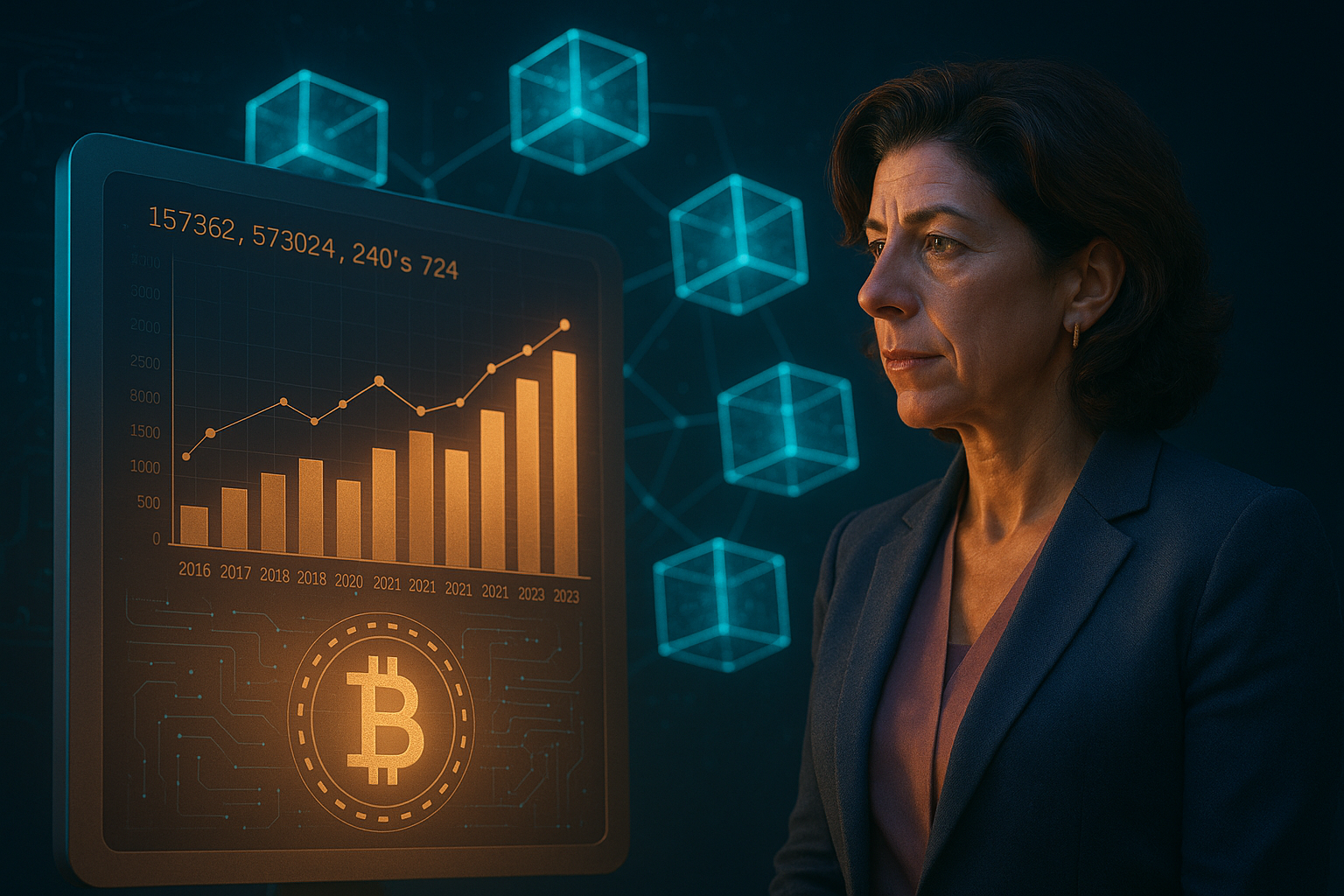
According to data, nearly $415 billion in real-world assets are already tokenized on blockchain networks. Long-term forecasts suggest substantial growth, with estimates ranging from $2 trillion to as high as $16 trillion by 2030, depending on adoption speed and regulatory clarity.
Tokenization also improves efficiency. Asset transfers that take weeks in traditional finance can now settle in seconds, while instant settlement addresses infrastructure limitations that have existed for decades.
As blockchain infrastructure matures, tokenization is redefining money itself, transforming how value is stored, moved, and accessed worldwide.
Disclaimer
This content is for informational purposes only and does not constitute financial, investment, or legal advice. Cryptocurrency trading involves risk and may result in financial loss.