Circle, the world’s second-largest stablecoin issuer, has officially launched the public testnet of its Arc blockchain network, a major step toward bringing traditional financial infrastructure onchain. The rollout has drawn participation from over 100 leading institutions, including BlackRock, Goldman Sachs, Visa, Mastercard, and State Street, marking one of the most significant institutional entries into blockchain testing to date.
Arc, described by Circle as the “Economic Operating System for the Internet,” is designed to deliver sub-second transaction finality, predictable USD-based fees, and optional privacy controls — all directly connected to Circle’s USDC stablecoin and global payments infrastructure.
“With Arc’s public testnet, we’re seeing remarkable early momentum as major financial institutions and fintech firms begin to build and test,” said Jeremy Allaire, CEO of Circle. “Collectively, these companies move and custody hundreds of trillions in assets each year, and their participation underscores growing confidence in blockchain-based financial systems.”
“Arc is purpose-built to connect every local market to the global economy,” Allaire said. “This is a step toward an open, enterprise-grade blockchain network that supports both stability and innovation.”
Institutional Participation Signals Shift Toward Onchain Finance
The Arc testnet has drawn participation from financial giants such as Apollo, BNY Mellon, Intercontinental Exchange, and Deutsche Bank, along with payment providers FIS, Nuvei, and Paysafe.
The network’s architecture connects regional financial systems across Africa, Asia, and the Americas, offering enterprise-grade infrastructure for both traditional institutions and Web3-native companies. It also supports fiat-pegged tokens, tokenized funds, and foreign exchange (FX) liquidity, laying the groundwork for a multi-currency stablecoin ecosystem.

Stablecoin issuers from seven countries — including JPYC (Japan), BRLA (Brazil), MXNB (Mexico) and PHPC (Philippines) — have already joined the Arc testnet, reflecting a strong international interest in Circle’s model.
“This launch represents the next phase of blockchain integration for institutional finance,” noted a fintech analyst. “Circle is positioning Arc as the infrastructure that could finally merge traditional banking and decentralized systems.”
AI Integration and Future Governance Plans
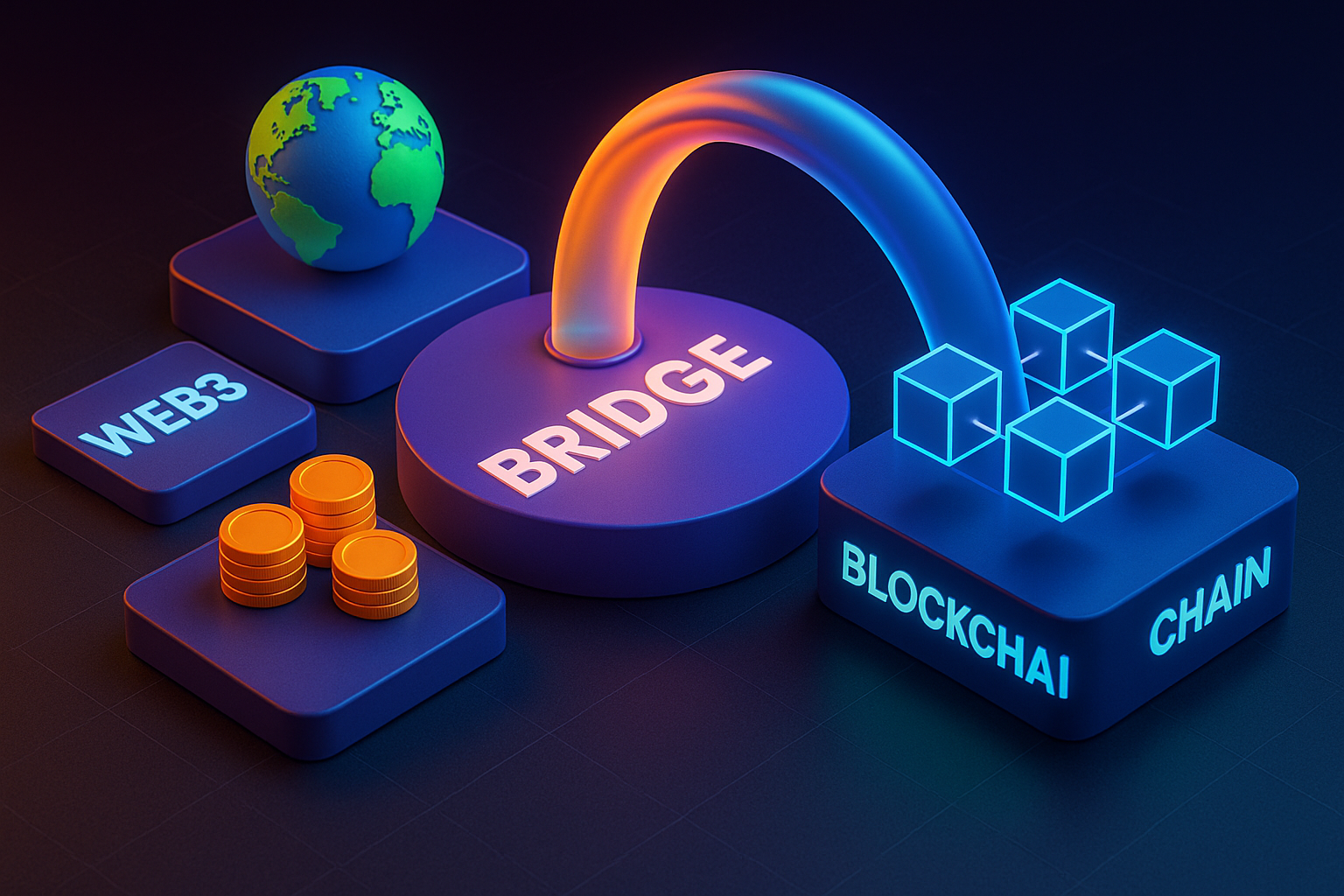
Arc’s ecosystem extends beyond finance, partnering with infrastructure and developer tools such as MetaMask, Chainlink, Fireblocks, LayerZero, Alchemy, and cross-chain bridges like Wormhole and Stargate.
Artificial intelligence will also play a key role, with Anthropic’s Claude Agent SDK helping developers build smarter and more efficient blockchain applications.
Circle plans to eventually transition Arc into a community-governed network, expanding validator participation and establishing transparent governance frameworks.
With USDC serving as the native gas token, Arc aims to redefine how institutions and developers interact with digital assets — bridging the gap between global finance and decentralized technology.
Disclaimer
This content is for informational purposes only and does not constitute financial, investment, or legal advice. Cryptocurrency trading involves risk and may result in financial loss.