Institutional adoption, interoperability, and hardened infrastructure signal a new phase for decentralized finance
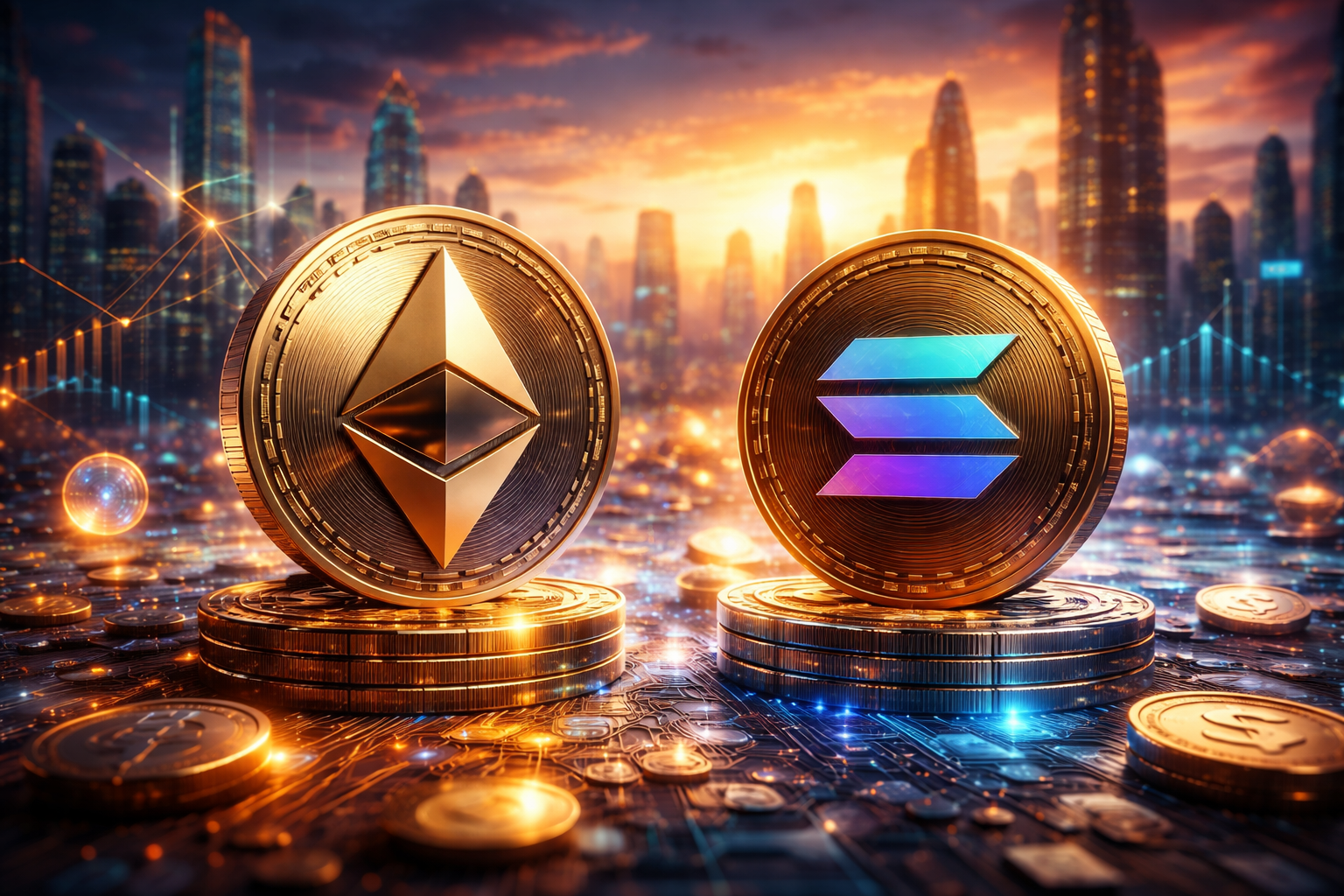
The year 2025 marked a period of consolidation for major layer-1 blockchains, with Ethereum and Solana taking distinct but complementary paths. Rather than chasing speculative growth, both networks focused on strengthening core infrastructure, improving scalability, and preparing for broader real-world financial adoption. These efforts are now setting the stage for what many see as a DeFi reboot in 2026.
Ethereum Focuses on Interoperability and Institutional Use
Ethereum’s progress in 2025 was driven by rising institutional participation and steady advances in scaling. Lower transaction costs and more mature layer-two solutions shifted the conversation toward a new priority: interoperability. Builders increasingly emphasized unifying fragmented liquidity and user experiences across Ethereum and its layer-two networks.
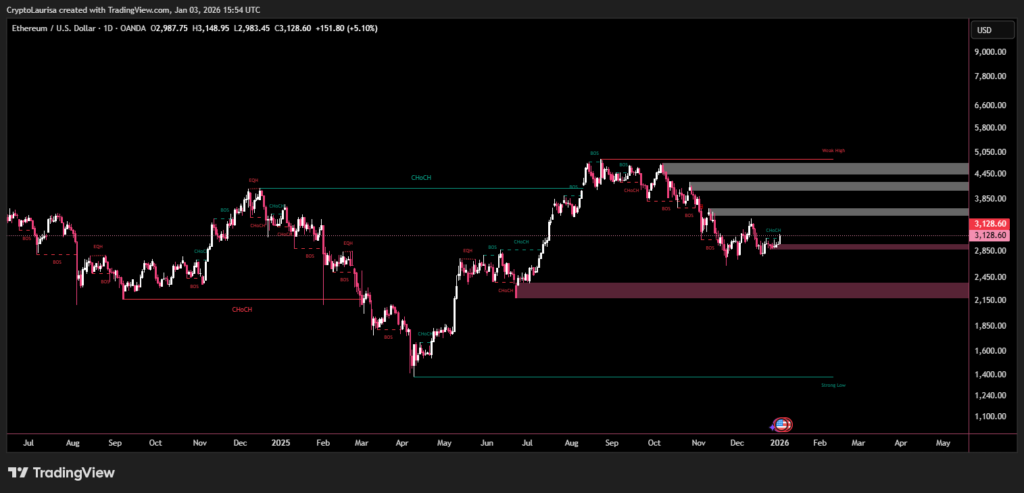
This technical groundwork coincided with the growth of digital asset treasuries, offering exposure not just to ETH as an asset, but to on-chain yield and decentralized financial activity. As a result, Ethereum’s ecosystem began moving away from purely speculative use cases toward neobank-style financial products, including tokenized assets and global banking tools built entirely on crypto rails.
Solana Hardens Infrastructure for High-Stakes Finance
Solana spent 2025 stress-testing its network under heavy demand. Early-year surges in activity pushed throughput and revealed weaknesses, leading to meaningful improvements in capacity, performance, and reliability. Block space expanded, fees stabilized, and developer interest accelerated.
Looking ahead, the planned Alpenglow consensus upgrade is expected to reduce transaction finality from over 10 seconds to roughly one second, a critical requirement for serious financial markets. This positions Solana as a potential foundation for high-speed, decentralized trading and settlement at scale.
Together, Ethereum and Solana illustrate how scaling, interoperability, and reliability are converging to support the next phase of decentralized finance—one rooted in real-world utility rather than hype.
Disclaimer
This content is for informational purposes only and does not constitute financial, investment, or legal advice. Cryptocurrency trading involves risk and may result in financial loss.