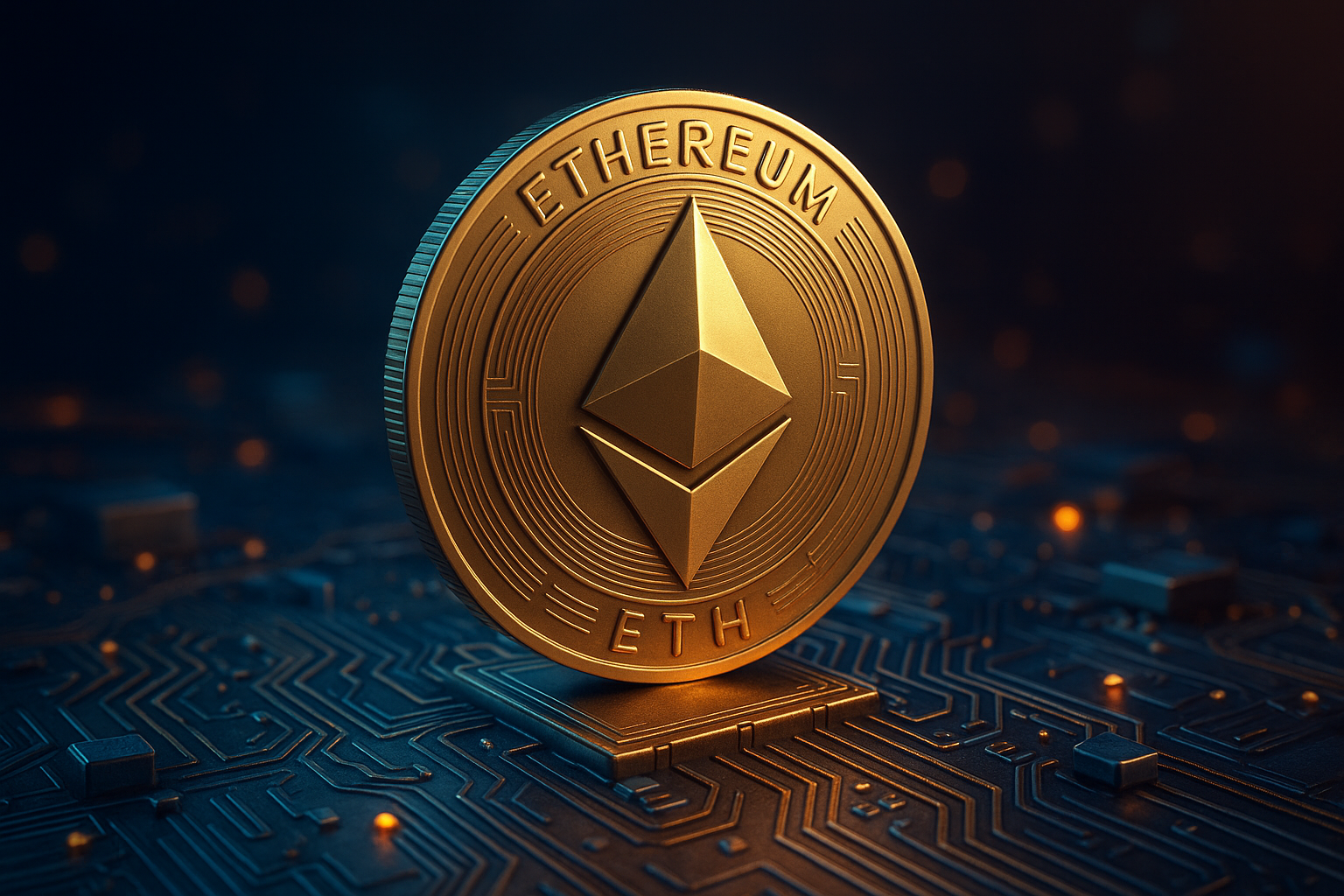
Thanks to scalability upgrades like Dencun and Pectra, Ethereum’s gas fees remain near a penny despite record network activity.
Ethereum Network Activity Surges
Ethereum is witnessing one of its busiest periods in months, with daily transactions surpassing 1.6 million — the highest level since early October’s market turbulence. Yet, in stark contrast to previous bull cycles, transaction fees remain near all-time lows, underscoring the network’s growing scalability and efficiency.

According to blockchain analytics platform Milkroad, the average Ethereum gas fee currently hovers around 0.16 gwei, equivalent to roughly $0.01 per transaction. Token swaps cost about $0.15, while NFT sales average just $0.27 per transaction — levels virtually unheard of during prior peaks in network activity.
This combination of high throughput and low fees highlights Ethereum’s evolution from a congested network plagued by soaring gas costs to a robust, enterprise-ready ecosystem.
Upgrades Driving Down Costs
The sustained low fees follow the success of Ethereum’s Dencun and Pectra upgrades — both designed to lower transaction costs and boost scalability through enhanced Layer-2 (L2) efficiency.
- The Dencun upgrade, deployed in March 2024, introduced proto-danksharding, a feature that slashed average L2 fees by up to 95% over the following year.
- The Pectra upgrade, launched in May 2025, further doubled blob capacity for L2s — effectively cutting their fees by another 50% and enabling more transactions to be processed off-chain.
By offloading the bulk of transaction data to L2 networks, Ethereum’s mainnet now maintains low base fees even during periods of record activity.
Network Metrics Hit New Highs
Data from Nansen shows that active Ethereum addresses climbed to 695,872 last Saturday, marking a new monthly high. Daily on-chain activity reached levels last seen before the $19 billion liquidation event that rocked crypto markets in early October.

This sustained growth in user activity suggests renewed developer and investor confidence in Ethereum’s long-term roadmap, especially as it positions itself as the base layer for the Web3 economy.
A Maturing Blockchain Ecosystem
The Ethereum ecosystem now supports dozens of L2 scaling solutions, including Arbitrum, Optimism, Base, and zkSync, all of which have benefited from recent protocol upgrades.
With fees now measured in pennies and throughput approaching record highs, Ethereum appears to have achieved what many critics once doubted — scalability without sacrificing decentralization.
As more applications, institutional integrations, and real-world use cases emerge, Ethereum’s current efficiency may signal the start of a new growth phase built on stability, accessibility, and sustainable scaling.
Disclaimer
This content is for informational purposes only and does not constitute financial, investment, or legal advice. Cryptocurrency trading involves risk and may result in financial loss.