
Stablecoins and Offshore Infrastructure Used to Evade International Sanctions
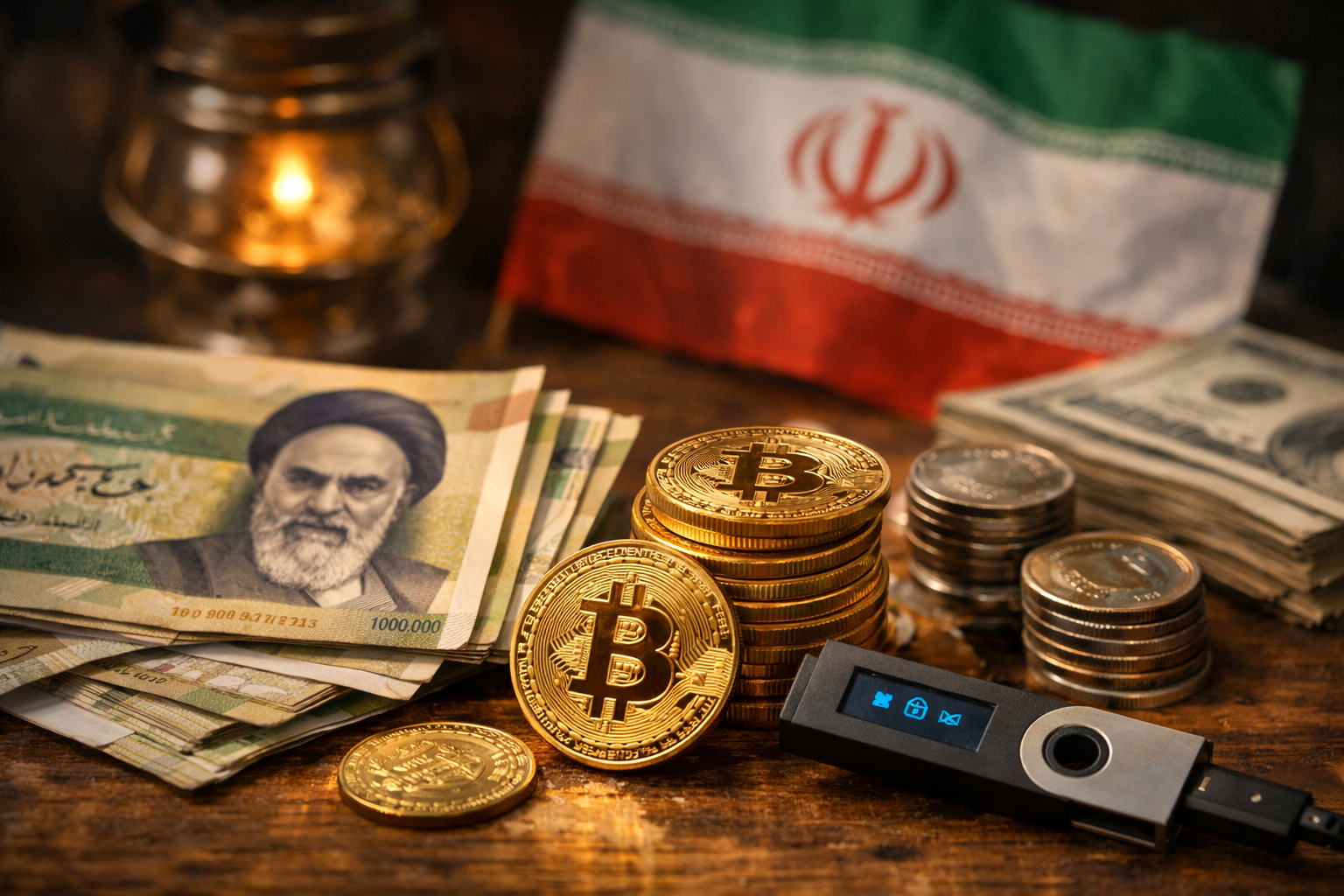
A new investigative analysis suggests that Iran’s Islamic Revolutionary Guard Corps (IRGC) moved nearly $1 billion through cryptocurrency exchanges registered in the United Kingdom between 2023 and 2025. The findings raise concerns about how digital assets and stablecoins are increasingly being used to bypass long-standing international sanctions.
According to the report, the IRGC relied on two closely connected exchanges, Zedcex and Zedxion, which reportedly operated under different brand names but shared the same underlying infrastructure. Analysis indicates that IRGC-linked transactions made up 56% of the exchanges’ total trading volume during the period examined.
The vast majority of these transactions were conducted using USDT stablecoin on the Tron blockchain, a network often favored for its low fees and fast settlement. Activity linked to the IRGC reportedly expanded rapidly, rising from $24 million in 2023 to $619 million in 2024, before reaching approximately $410 million in 2025.
Investigators traced transactions across hundreds of wallets allegedly connected to the IRGC, including transfers linked to sanctioned intermediaries in the Middle East. The findings suggest a shift from isolated crypto use toward a more structured financial system designed to evade sanctions.
The report underscores growing concerns among regulators that digital currencies are becoming a durable channel for sanctioned entities to move large sums outside traditional financial systems, challenging existing enforcement frameworks.
Disclaimer
This content is for informational purposes only and does not constitute financial, investment, or legal advice. Cryptocurrency trading involves risk and may result in financial loss.