Understanding Altcoins and Why They Matter
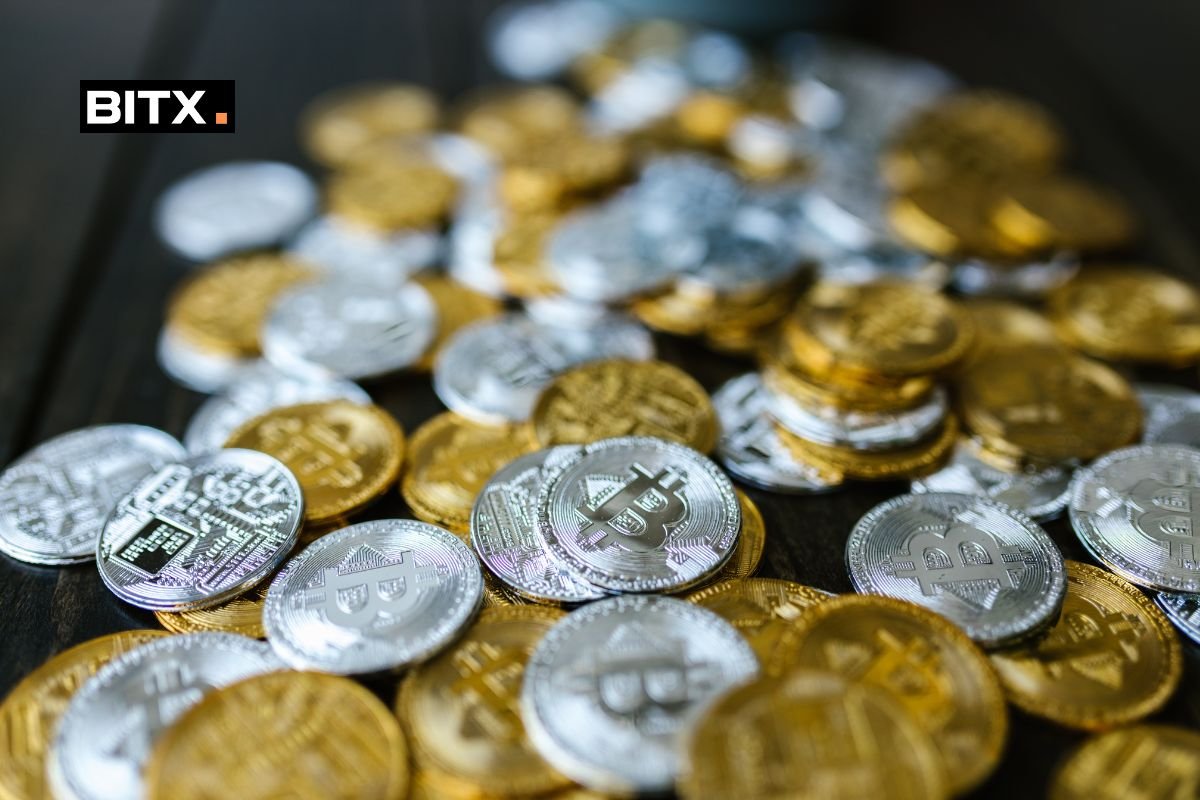
In the rapidly evolving world of cryptocurrency, altcoins have emerged as a significant player alongside Bitcoin. Altcoins, often defined as all cryptocurrencies other than Bitcoin, offer a diverse range of use cases and technologies that set them apart from the original cryptocurrency. Managing an altcoin portfolio can be a lucrative venture for investors who understand the market dynamics and adopt suitable strategies.
The Importance of Diversification
Diversification is crucial in managing an altcoin portfolio. Just as with traditional stock markets, spreading investments across multiple assets reduces risk and allows for potential growth from different sectors. By having a diversified portfolio, investors can ride out market volatility and tap into the unique strengths of each altcoin.
Researching and Selecting Altcoins
Successful altcoin investment begins with thorough research. Investors should look beyond price and focus on the potential utility, technology, and partnerships of the altcoins they are considering. A good altcoin often has a clear, innovative use case that sets it apart from others in the market.
Risk Management
Although altcoins offer significant growth potential, they are subject to high volatility. Losing a significant portion of one’s investment due to market movements can be detrimental. Implementing a risk management strategy, such as setting stop-loss orders, can help limit potential losses while allowing for growth during bull markets.
Long-term vs. Short-term Investment
Deciding between long-term and short-term investment strategies is essential for altcoin portfolio management. Long-term investors focus on the long-term potential of the altcoin and are less concerned with short-term market movements. On the other hand, short-term traders aim to profit from volatility and market trends, requiring a more intensive trading strategy.
Rebalancing Your Portfolio
Rebalancing your altcoin portfolio periodically is essential for maintaining its intended risk-reward ratio. As some altcoins gain value, they may take up a disproportionate amount of the portfolio, causing an imbalance. By regularly rebalancing, investors can ensure that their portfolio remains representative of their investment strategy.
Staying Updated on Market Trends
The cryptocurrency market is characterised by rapid changes and innovations. Keeping up with the latest trends, technologies, regulations, and partnerships can help investors identify potential investment opportunities and make well-informed decisions.
Participating in Airdrops and Staking
Airdrops and staking are two mechanisms that can offer investors additional benefits in the context of altcoin portfolios. Airdrops involve receiving free coins for participating in various promotional activities, while staking involves holding coins in a wallet to secure the network and earn rewards.
Conclusion
Managing an altcoin portfolio requires patience, diligence, and a deep understanding of the cryptocurrency market. By diversifying investments, conducting thorough research, implementing risk management strategies, and staying updated on market trends, investors can navigate the volatile altcoin market to generate returns on their investments. As with any investment, it’s essential to remember that past performance does not guarantee future results, and investing in altcoins carries inherent risks.