
Compliance-first strategy signals shift in stablecoin oversight versus privacy
Tether has officially unveiled its U.S.-compliant stablecoin, USAT, in a move designed to cement its footprint in the American market while challenging Circle’s USDC. The launch, announced Friday in New York City, could reshape the stablecoin landscape by testing how far issuers can balance regulatory oversight with user privacy.
A Hedge-and-Expand Strategy
Colin Butler, EVP at Mega Matrix, described the rollout as “a hedge-and-expand move. It gives Tether a U.S.-regulated rail for banks, fintechs, and corporates while preserving USDT’s offshore reach.”
USAT will be issued through Anchorage Digital Bank and backed by assets held by Cantor Fitzgerald. The token is labeled a “non-yielding stablecoin” to comply with the recently passed GENIUS Act, which set federal standards for stablecoin issuers. Tether has also appointed former White House official Bo Hines to lead its U.S. division, reinforcing what some view as a compliance-first posture aligned with the Trump administration’s crypto-friendly approach.
Testing Oversight Versus Privacy
Unlike USDT, which operates freely on offshore exchanges, USAT will run on regulated rails, making transactions transparent and traceable. This model could attract institutional adoption while sparking debate over whether stablecoins can remain private financial tools.
Tether has the size and scale to shape how regulation and infrastructure evolve in the U.S., said Matthew Tabbiner, CEO of Stable. “This launch is symbolic of the systemic shift toward stablecoins becoming everyday money.”
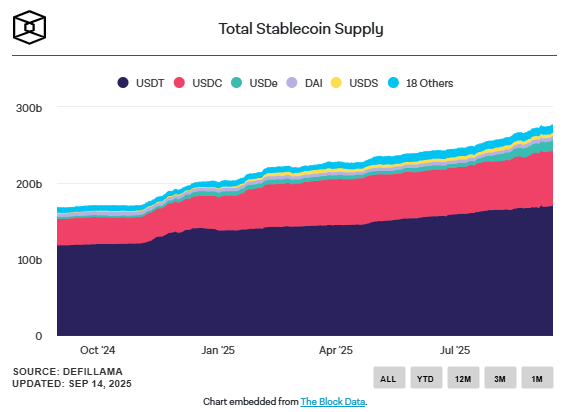
With USDT already commanding a $170 billion supply compared to USDC’s $73 billion, Circle could face mounting competitive pressure. Ramy Soliman, co-founder of Stablecoin Standard, warned: “For other issuers, [Tether launching USAT] sends a real signal that they had better have some captive distribution soon or their days are numbered.”
Rebranding Tether’s Image
For Tether, the U.S. debut is also about credibility. The company has long faced scrutiny over reserve transparency and allegations that its tokens facilitated illicit activity. Yet, despite controversies, USDT grew into the world’s most widely traded stablecoin.
Merris Badcock of The Digital Chamber framed the moment as transformative: “Tether is making a strategic move that strengthens its credibility and momentum in America.”
By offering a regulated token while maintaining its offshore product, Tether is positioning itself on both sides of the market — oversight and freedom. The move forces competitors like Circle to defend market share in what is becoming a high-stakes battle for stablecoin dominance.
Disclaimer
This content is for informational purposes only and does not constitute financial, investment, or legal advice. Cryptocurrency trading involves risk and may result in financial loss.